Recovery after hip replacement


How is recovery after hip replacement surgery carried out?

Hip replacement surgery represents an important change in a patient’s life and inevitably raises questions about the recovery period. Many people want to know how they can regain mobility, how to prevent complications, and what they can actually do to accelerate their return to everyday activities. Below you will find practical information about recovery, the measures you should follow, and the warning signs that require medical evaluation.
The first days after surgery: recovery in the hospital
Recovery after hip arthroplasty begins in the hospital under the supervision of the medical team. This stage is essential for preparing the body and preventing postoperative complications.
- early mobilization is encouraged, always with assistance; light movements of the ankles and toes can begin even on the first day to reduce the risk of thrombosis;
- pain control is managed through medication and ice application, according to medical instructions;
- anticoagulants are administered and clear instructions are provided regarding physical efforts that must be avoided;
- simple exercises are performed daily to maintain circulation and protect the recently operated joint;
- hospitalization usually lasts between 1 and 7 days, depending on each patient’s progress;
- before discharge, patients receive clear explanations about permitted movements, movements that must be avoided, and the proper use of walking aids [1][2].
Organizing recovery at home
After discharge, responsibility for recovery largely shifts to you and the people around you. The doctor may recommend a follow-up visit shortly after surgery to monitor progress and adjust treatment if necessary.
- it is recommended to prepare your home before the surgery to prevent accidents: remove slippery rugs, organize frequently used items within easy reach, and install support bars where needed;
- strictly follow the prescribed medication schedule. Keep medications accessible and take them correctly;
- apply ice in short sessions to reduce inflammation and keep the limb slightly elevated to decrease swelling;
- adopt a balanced diet rich in protein, iron, fruits, and vegetables; stay properly hydrated and limit alcohol and coffee consumption. Avoid excessive vitamin K intake according to medical advice;
- care for the postoperative wound daily, washing gently and observing any changes such as redness, discharge, or increased inflammation; persistent changes require medical evaluation;
- maintain proper positioning: do not cross your legs, avoid bending forward, and follow instructions regarding permitted movements.
Recommendations for home recovery
| Activity | Is it beneficial? | What should you avoid? |
|---|---|---|
| Using a cane or walker | Yes, during the first weeks | Walking without support or intense physical effort |
| Keeping the home organized and obstacle-free | Yes, prevents accidents | Obstacles along walking paths |
| Daily wound monitoring | Yes, reduces infection risk | Ignoring color changes, swelling, or discharge |
| Regular exercises | Yes, according to specialist guidance | Overexertion or prohibited movements |
| Balanced diet | Yes, supports healing | Ultra-processed foods or foods high in salt |
[1][2][3].
Guided exercises and functional rehabilitation at Centrokinetic
Effective recovery after hip replacement largely depends on properly performed exercises adapted to each stage of healing. The program is always carried out under the supervision of a physiotherapist who determines the frequency, intensity, and progression of exercises based on your progress.
- schedule regular physiotherapy sessions where you will learn strengthening exercises for the thigh muscles, controlled leg lifts, and in some cases gentle pedaling exercises performed from a lying position. These improve mobility, control pain, and reduce the risk of complications;
- use support (a cane or crutches) for as long as recommended by the doctor or physiotherapist. Walking without assistive devices can usually be attempted after 4–8 weeks, depending on stability;
- respect movement limitations: do not exceed 90 degrees of hip flexion if this has been recommended, avoid excessive rotation of the lower limb, and keep the knees slightly apart when standing up or sitting down. When climbing stairs, step first with the healthy leg, and when descending, start with the operated one. When lying down, a pillow placed between the knees helps protect the joint;
- the doctor and physiotherapist periodically adjust exercises depending on progress, comfort, and any limitations that appear during recovery [3][4].
Resuming certain activities
As recovery progresses, you can gradually return to everyday activities, following clear rules to protect the prosthesis and avoid complications.
- driving can generally be resumed after 4–8 weeks, but only after evaluation and approval from the rehabilitation specialist who confirms that reflexes and joint stability have recovered;
- resuming sexual activity should be discussed directly with your doctor or physiotherapist. Usually, positions that do not involve excessive hip flexion are recommended. Open communication helps prevent discomfort and increases confidence;
- returning to work depends on the nature of your activities. For sedentary jobs, returning may occur sooner, while activities involving prolonged walking, standing, or physical effort usually require a period of 3–6 months;
- signs that require urgent medical consultation include: severe or rapidly worsening pain, swelling, fever above 38°C, abnormal wound discharge, widespread redness, or breathing difficulties [5].
Maintain constant communication with your doctor and report any unusual symptoms to ensure that recovery progresses safely.
Frequently asked questions about recovery after hip replacement
What are the benefits of rehabilitation after hip replacement?
A well-structured program helps you regain mobility, prevent joint stiffness, and reduce the risk of long-term complications.
How long does full recovery take at Centrokinetic?
Generally, the recovery period varies between 3 and 6 months depending on age, overall health, and commitment to the recommended exercises.
What should you avoid during the first weeks?
Avoid bending the hip beyond 90 degrees, crossing your legs, bending forward from the torso, and sudden rotations of the operated leg.
When can I drive or return to work?
Driving can usually be resumed after 4–8 weeks, while returning to work should be gradual and only with the doctor’s approval.
When should I contact the doctor?
Seek medical assistance if you experience severe pain, significant swelling, fever, bleeding, unusual discharge, or changes in the operated area.
Recovery after hip replacement is a process that requires patience, consistency, and proper guidance. With a well-structured program and adequate medical monitoring, most patients gradually return to an active lifestyle without pain and without major limitations [1][2].
If you have recently undergone such a procedure or are preparing for one, Centrokinetic specialists can support you throughout the entire recovery process — from the initial evaluation to full restoration of mobility. Schedule a consultation at one of the Centrokinetic clinics in Bucharest or across the country and begin your recovery in a safe, modern environment dedicated to your needs.
Disclaimer: This material is for informational purposes only and does not replace a specialist medical consultation. For accurate diagnosis, personalized recommendations, and the establishment of an appropriate rehabilitation program, always consult a medical rehabilitation specialist.
Sources:
[1] “Recovering from a Hip Replacement.” Nhs.uk, Apr. 2024.
[2] Thakkar, Savyasachi. “Hip Replacement Recovery: Q&A with a Hip and Knee Specialist.” Johns Hopkins Medicine.
[3] “Activities after Total Hip Replacement - OrthoInfo - AAOS.” Aaos.org, 2025.
[4] “Total Hip Replacement Exercise Guide - OrthoInfo - AAOS.” Aaos.org, 2025.
[5] Tri-State Orthopaedics. “Returning to Work and Normal Activities after Hip Replacement.” 2022.
BUCHAREST TEAM

































































CLUJ NAPOCA TEAM


































BRASOV TEAM























MAKE AN APPOINTMENT
FOR AN EXAMINATION
See here how you can make an appointment and the location of our clinics.
MAKE AN APPOINTMENT
Asiguratori privati





Parteneriate



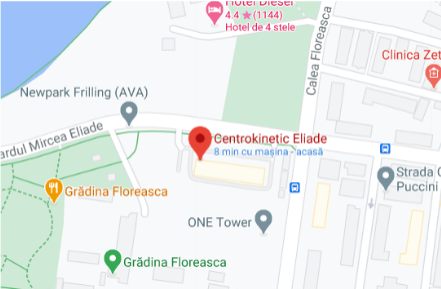
CENTROKINETIC FLOREASCA
Bucharest, 1st District,
Mircea Eliade Street, no. 18,
Eliade Tower, Entrance A, Floor 3
| Navigation | Explore 3D |
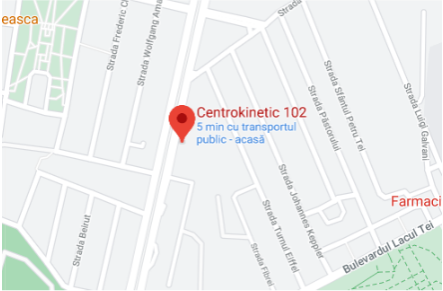
CENTROKINETIC Barbu Vacarescu
Bucharest, 2nd District,
Barbu Vacarescu Street, no. 102,
102 The Address, ground floor.
| Navigation | Explore 3D |
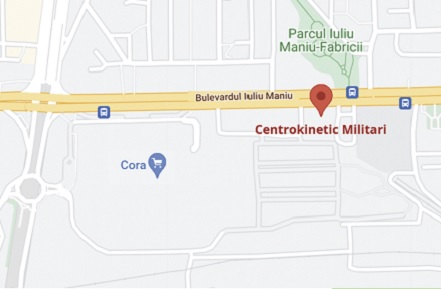
CENTROKINETIC MILITARI
Bucuresti, Sector 6,
Bld. Iuliu Maniu, nr. 15G,
Cladirea PBT, etaj 3.
| Navigation |
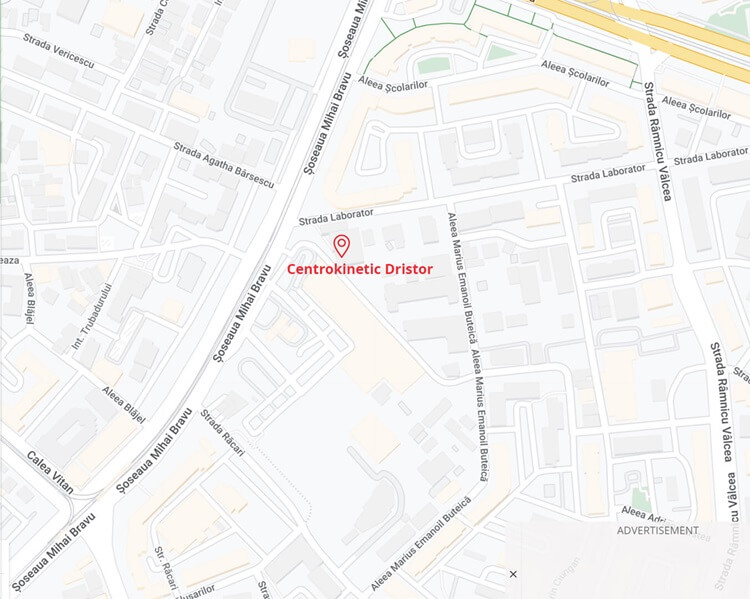
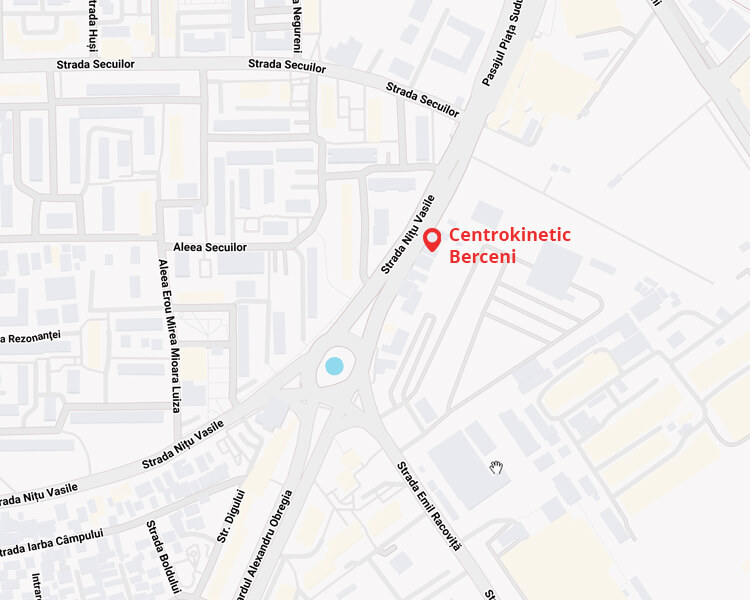
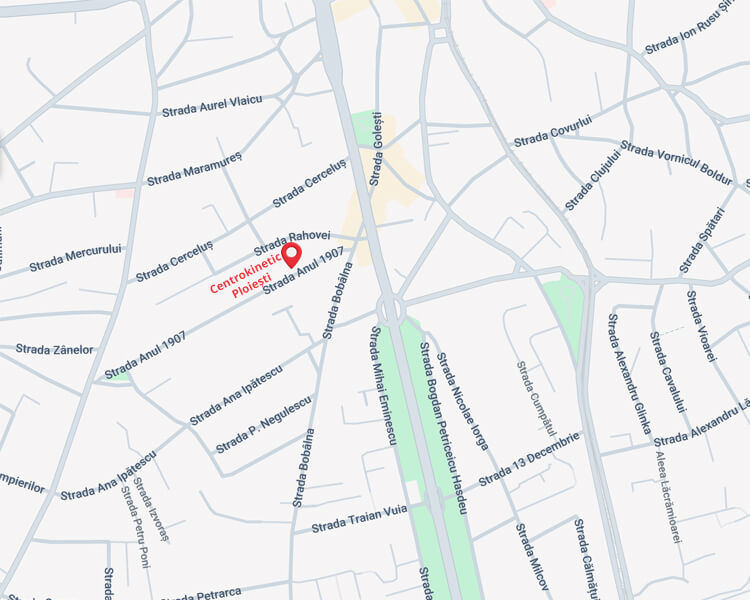
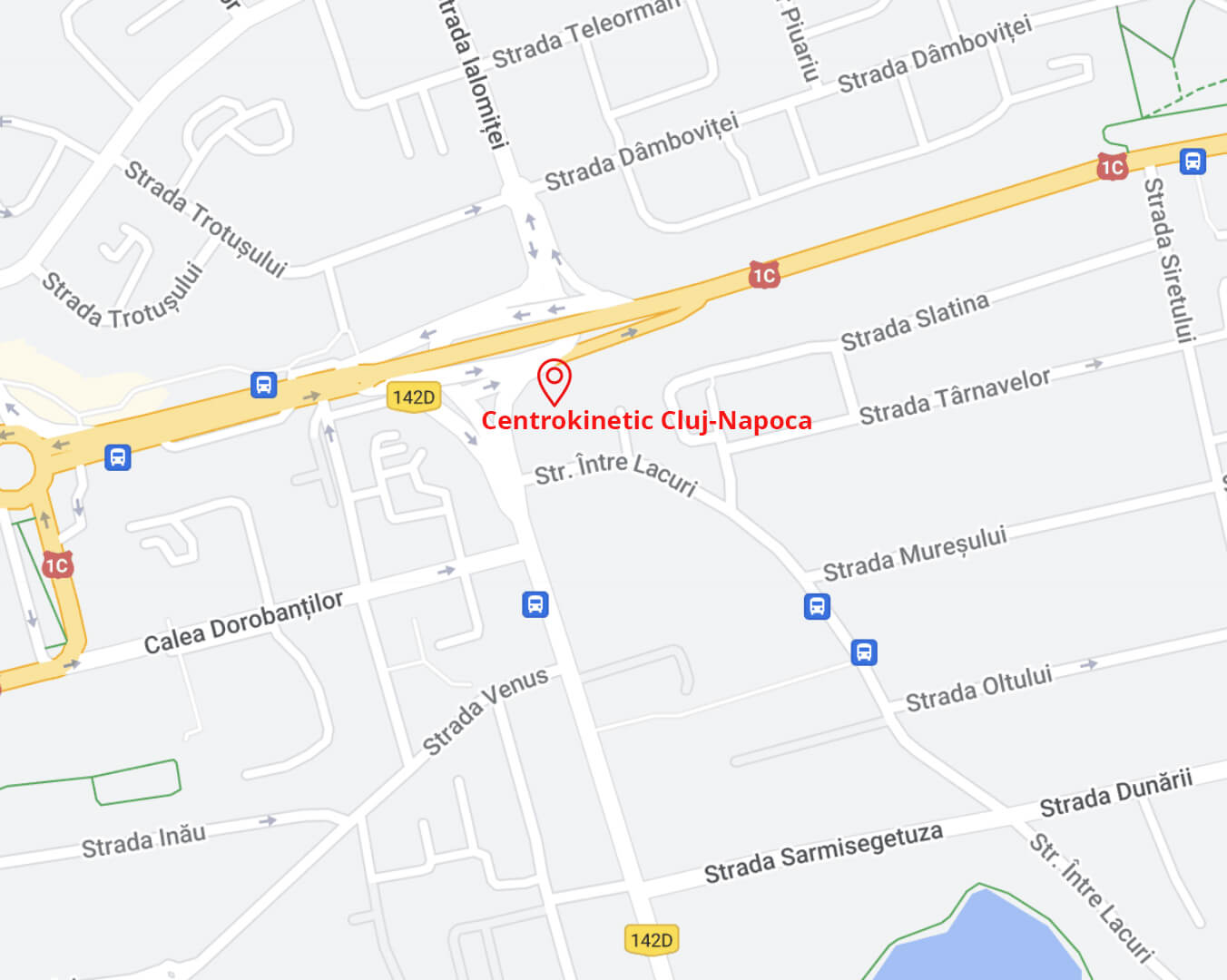
CENTROKINETIC CLUJ-NAPOCA
Cluj-Napoca,
Str. Intre Lacuri, nr.1
Intrarea este in spatele cladirii.
| Navigation |
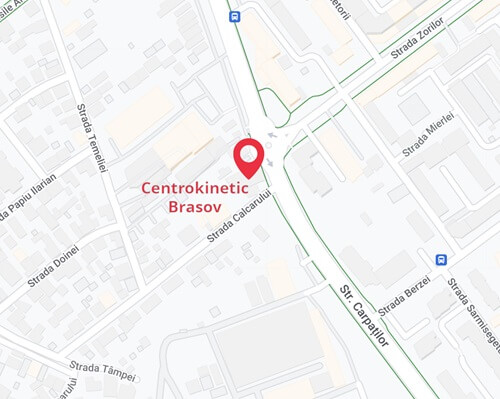
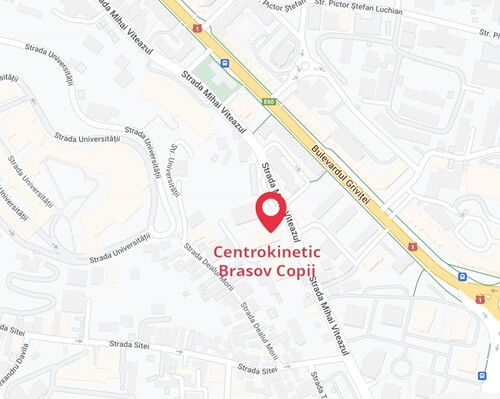
SOCRATES CLINIC TIMISOARA
Timisoara, Calea Martirilor 1989,
nr. 1.
Telefon: 0371 785 374.
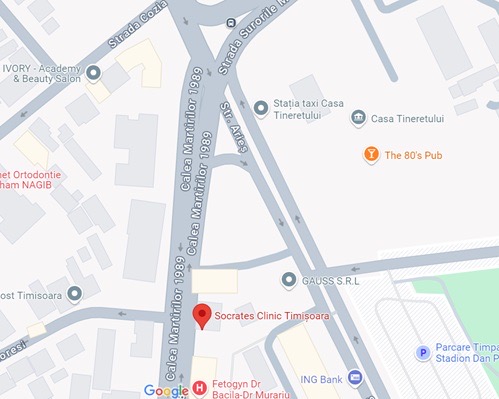
| Navigation |
CONTACT
Phone: 0319693
E-mail: programari@centrokinetic.ro
Operating hours:
Monday – Friday: 07:00 – 21:00
Saturday: 09:00 – 14:00
Sunday: closed.
MAKE AN APPOINTMENT